Minimalist design has become one of the most sought-after interior design trends in 2026, offering a refreshing approach to creating peaceful, functional living spaces. The minimalist aesthetic emphasizes simplicity, clean lines, and a carefully curated selection of furnishings that bring both beauty and purpose to your home. By embracing minimalist principles, you can transform cluttered rooms into serene sanctuaries that promote calm and clarity in your daily life.
Why Minimalist Design is Perfect for Modern Living
The minimalist movement continues to gain momentum as more homeowners seek to simplify their lives and create spaces that feel open, airy, and intentional. This design philosophy focuses on the essentials, eliminating excess while highlighting quality over quantity. Minimalist interiors feature neutral color palettes, geometric patterns, and natural textures that work together to create a cohesive, sophisticated atmosphere.
One of the key benefits of minimalist design is its versatility. Whether you live in a spacious loft or a cozy apartment, minimalist principles can be adapted to suit any space. The emphasis on clean lines and uncluttered surfaces makes rooms feel larger and more inviting, while the neutral color schemes provide a timeless backdrop that won't go out of style.
Essential Minimalist Elements for Your Living Room
Creating a minimalist living room starts with selecting the right foundational pieces. Focus on furniture with simple silhouettes and high-quality materials that will stand the test of time. Neutral tones like light gray, beige, and white form the perfect base for a minimalist color palette, allowing you to add subtle visual interest through texture and pattern.
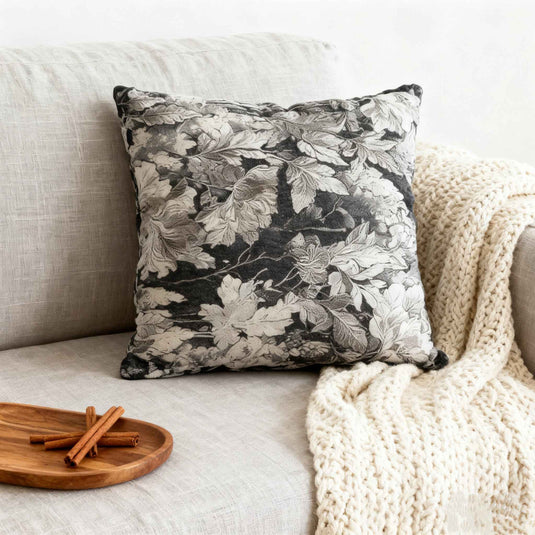
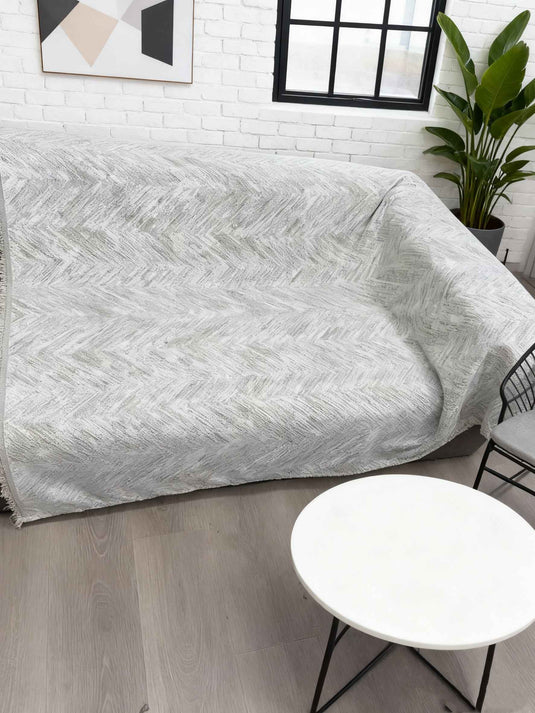
Geometric patterns are a hallmark of minimalist design, adding visual depth without overwhelming the space. Consider incorporating geometric-patterned throws or cushions that feature clean, modern designs. These accessories provide the perfect balance between decorative appeal and functional comfort, elevating your sofa area while maintaining the minimalist aesthetic.
Minimalist Textiles: The Secret to Cozy Sophistication
While minimalist design emphasizes simplicity, it doesn't mean your space should feel cold or unwelcoming. The key is to incorporate soft textiles that add warmth and texture without cluttering the visual landscape. Light gray throws with subtle geometric patterns and tassel details can instantly transform a plain sofa into a stylish focal point.
When selecting minimalist home textiles, look for pieces that combine form and function. A well-chosen minimalist sofa throw serves multiple purposes: it protects your furniture, provides extra warmth during cooler months, and acts as a beautiful decorative element that ties your room together. The beauty of minimalist accessories lies in their ability to make a statement through understated elegance.
How to Style Minimalist Accessories
The art of minimalist styling is all about intentional placement and thoughtful curation. Rather than filling every surface with decorative objects, choose a few high-quality pieces that truly resonate with your aesthetic. Drape a textured throw casually over your sofa arm, allowing the tassels to add a touch of bohemian charm to your minimalist space.
Layer different textures to create visual interest while maintaining the clean, uncluttered look that defines minimalist design. Pair smooth leather or linen upholstery with soft, woven throws to create a tactile experience that invites relaxation. The contrast between different materials adds depth to your space without requiring additional decorative items.
Minimalist Color Palettes That Work
Light gray is a cornerstone of minimalist color schemes, offering a sophisticated neutral that pairs beautifully with both warm and cool tones. This versatile shade creates a calming atmosphere while providing enough visual interest to prevent your space from feeling sterile. Combine light gray with crisp white, soft beige, or muted earth tones to build a cohesive minimalist palette.
The beauty of a neutral color scheme is its timelessness. Unlike trendy colors that may feel dated in a few years, a minimalist palette of grays, whites, and natural tones will remain elegant and relevant for decades to come. This makes minimalist design not only aesthetically pleasing but also a smart long-term investment in your home's interior.
Sustainable Minimalist Living
Minimalist design naturally aligns with sustainable living principles. By focusing on quality over quantity, you invest in fewer, better-made pieces that last longer and reduce waste. Choose home textiles crafted from durable, natural materials that will maintain their beauty through years of use.
When shopping for minimalist home accessories, consider the craftsmanship and materials. High-quality woven throws, for example, offer superior comfort and longevity compared to mass-produced alternatives. Supporting artisan-made products also means investing in pieces with character and authenticity that truly enhance your minimalist space.
Creating Your Minimalist Sanctuary
Transforming your home into a minimalist haven is a journey of intentional choices and mindful curation. Start with one room, perhaps your living room, and gradually introduce minimalist elements that reflect your personal style. Remember that minimalist design isn't about deprivation—it's about creating space for what truly matters and surrounding yourself with items that bring joy and serve a purpose.
Whether you're completely redesigning your space or simply refreshing your current decor, embracing minimalist principles can help you create a home that feels both sophisticated and serene. With the right combination of neutral tones, geometric patterns, and quality textiles, you can achieve the timeless elegance that defines minimalist living in 2026.